

The Midnight Compromise: Averting a 2026 Fiscal Crisis
WASHINGTON — In a dramatic pivot just hours before a federal funding lapse, President Donald Trump and Senate Democrats announced a breakthrough agreement late Thursday to avert government shutdown 2026. The deal, forged under the shadow of civil unrest and a looming 12:01 a.m. Saturday deadline, provides a temporary reprieve for the Department of Homeland Security (DHS) while securing long-term funding for the vast majority of the federal government through September.
The compromise comes at a moment of acute national tension. Following the recent shooting deaths of two U.S. citizens, Alex Pretti and Renee Good, during federal immigration operations in Minneapolis, Democrats had effectively paralyzed the budget process. Their refusal to move forward without ICE reforms made it appear that the only way to avert government shutdown 2026 was through significant policy concessions.
A Strategy of Separation to Avert the Crisis
The core of the agreement involves “de-coupling” the contentious DHS budget from a larger six-bill spending package. To successfully avert government shutdown 2026, negotiators agreed to the following terms:
-
Major Agencies Funded: Departments including Defense, Labor, Health and Human Services, and State will receive full funding through the end of the fiscal year in September.
-
DHS “Bridge” Funding: The Department of Homeland Security will receive a two-week “stopgap” extension at current spending levels.
-
Negotiation Window: This fourteen-day window is intended to allow bipartisan negotiators to hammer out new “guardrails” for federal agents, a central demand of the Democratic caucus.
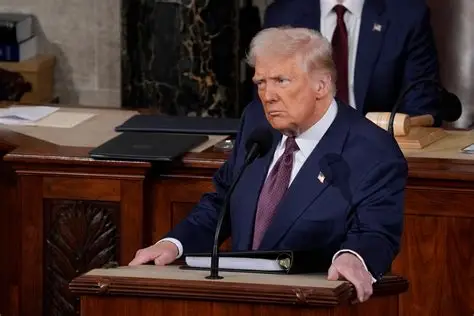
President Trump, who had spent the early part of the week signaling a “hard line” on border spending, took to social media Thursday evening to endorse the pivot. “Republicans and Democrats have come together to get the vast majority of the Government funded until September,” the President wrote, signaling his own desire to avert government shutdown 2026 via a “much-needed Bipartisan ‘YES’ vote.”
The Minneapolis Flashpoint
The path to this deal was anything but certain. For much of January, Washington appeared headed for a repeat of the record-breaking 43-day shutdown that paralyzed the country last fall. However, the political calculus shifted violently following the events in Minneapolis.
Senate Minority Leader Chuck Schumer (D-NY) had characterized the standoff as a “moment of truth” for the country, suggesting that the effort to avert government shutdown 2026 could not come at the expense of civil liberties. “The American people support law enforcement, but they do not support ICE terrorizing our streets,” Schumer stated on the Senate floor. The Democratic demands include:
-
Transparency: Mandating that federal agents wear identification and body cameras.
-
Conduct Reform: Prohibiting “roving patrols” and “masked” operations in residential neighborhoods.
-
Accountability: Establishing independent investigations into the use of lethal force by federal agents.
While Republicans initially resisted these conditions, the pressure of a second shutdown in four months—and the potential for escalating protests—forced a compromise to avert government shutdown 2026.
Legislative Hurdles to Fully Avert Government Shutdown 2026
Despite the high-level handshake, the logistical path to President Trump’s desk remains narrow. In the House of Representatives, Speaker Mike Johnson (R-LA) expressed reservations about “breaking up” the funding package but acknowledged the necessity of the move to avert government shutdown 2026.
“We can’t have the government shut down,” Johnson told reporters. However, House rules typically require 72 hours for members to review bill text before a vote, a timeline that would push final passage into early next week. This raises the possibility of a “technical shutdown” over the weekend—a brief lapse where essential services continue, but federal offices remain closed until Monday or Tuesday, even as leaders work to avert government shutdown 2026 on a permanent basis.
US Abandons Critical Mineral Price Floors
Impact on Federal Operations
If the deal passes as expected, it will provide stability for nearly 96% of the federal government.
-
Defense and National Security: Personnel will remain paid, and major procurement programs will continue without interruption.
-
Health and Education: Billions in grants and social services will be shielded from the uncertainty of month-to-month extensions.
-
Contractors: For the thousands of federal contractors still reeling from last year’s 43-day lapse, the deal to avert government shutdown 2026 offers a much-needed sigh of relief.
“This isn’t a perfect deal, but it is a necessary one to avert government shutdown 2026,” said one senior Senate aide. “It keeps the lights on while we address the very real concerns about how federal power is being exercised in our cities.”
What’s Next?
The Senate is expected to move to a vote as early as tonight, requiring a 60-vote threshold to overcome any potential filibuster. Once cleared, the focus shifts to the House, where the “MAGA” wing of the GOP and the “Progressive” wing of the Democratic party may still offer resistance to the plan to avert government shutdown 2026.
Homan signals drawdown happens if Minnesota cooperates on immigration enforcement : NPR

