

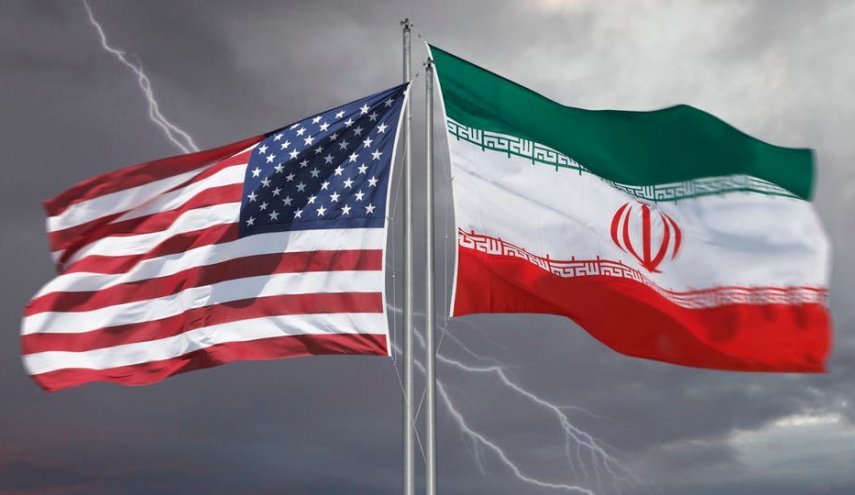
The Persian Pivot: Inside the High-Stakes Diplomatic Reset of 2026
TEHRAN — In a move that has sent shockwaves through the Middle East and global energy markets, Iranian President Masoud Pezeshkian has formally ordered the resumption of nuclear negotiations with the United States. This high-stakes diplomatic reset comes at a moment of extreme tension, as a “massive armada” of U.S. naval assets, led by the USS Abraham Lincoln, takes up positions in the Persian Gulf.
A Breakthrough in Istanbul
According to state-affiliated media, the order issued by Pezeshkian paves the way for a potential face-to-face meeting in Istanbul this Friday. The proposed talks would likely feature a direct encounter between Iranian Foreign Minister Abbas Araghchi and U.S. Special Envoy Steve Witkoff. For an administration in Tehran that has spent months in a defensive crouch, this high-stakes diplomatic reset represents a significant gamble on the possibility of “just, fair, and equitable” terms.
Regional intermediaries, including Turkey, Qatar, Saudi Arabia, and Egypt, have reportedly spent weeks working behind the scenes to facilitate this high-stakes diplomatic reset. Their goal is to narrow the chasm between Washington’s “Maximum Pressure 2.0” and Tehran’s insistence on the removal of “unjust sanctions.”
Trump’s “Bad Things” Warning
While the order from Pezeshkian suggests a thaw, the rhetoric from Washington remains characteristically blunt. President Donald Trump, speaking from the Oval Office, noted that while Iran is “seriously talking,” the window for a deal is closing. “If we can work something out, that would be great,” Trump stated. “And if we can’t, probably bad things would happen.”
This looming threat of military intervention is a primary driver behind the high-stakes diplomatic reset. Following the devastating June 2025 airstrikes on Iranian nuclear facilities and the brutal crackdown on domestic protesters last month—which left over 3,000 dead—the Iranian clerical leadership is reportedly fearful that a new conflict could lead to a total collapse of the regime.
The Core Demands: Enrichment and Missiles
The success of this high-stakes diplomatic reset hinges on three non-negotiable demands from the Trump administration:
-
Zero Enrichment: Total cessation of uranium enrichment on Iranian soil.
-
Missile Limits: Strict caps on Tehran’s ballistic missile program.
-
Proxy Rollback: An end to funding for regional groups like Hezbollah and the Houthis.
For Tehran, these conditions were once considered “red lines.” However, the current high-stakes diplomatic reset suggests a new flexibility. Iranian officials have hinted at a willingness to accept “zero enrichment” under a consortium arrangement, provided it leads to immediate and sweeping sanctions relief.
Regional Stability at Stake
The impact of this high-stakes diplomatic reset is already being felt across the Indo-Pacific and the Middle East. Energy prices, which spiked last week on fears of a Persian Gulf blockade, have begun to stabilize as traders bet on a diplomatic solution.
If the Friday meeting in Istanbul proceeds, it will be the first direct high-level contact between the two nations since the “12-day war” of 2025. This high-stakes diplomatic reset is not merely a bilateral issue; it is a global necessity to prevent a regional conflagration that could draw in nuclear powers and disrupt 20% of the world’s oil supply.
Diplomacy Under Pressure
As Foreign Minister Araghchi prepares to travel to Turkey, he maintains that “diplomacy is not compatible with intimidation.” Yet, with a U.S. carrier strike group within range of Tehran, the high-stakes diplomatic reset is occurring under the shadow of overwhelming force. The coming days will determine if this is a genuine path to peace or the final prelude to a wider war.
The Negotiation Matrix: Red Lines for 2026
| Issue | United States (Trump Admin) | Iran (Pezeshkian Admin) |
| Uranium Enrichment | Zero enrichment on Iranian soil; all stockpiles shipped out. | Right to peaceful enrichment under NPT; domestic medical use. |
| Sanctions | Only lifted after full verification of compliance. | Immediate lifting of oil and banking sanctions as a precondition. |
| Regional Proxies | Total cessation of funding for Hezbollah and Houthis. | Defensive alliances are “non-negotiable” national security. |
| Missile Program | Caps on ballistic and hypersonic missile ranges. | Conventional defense is a sovereign right; no foreign caps. |
| Inspection Access | “Anywhere, Anytime” access by IAEA inspectors. | Controlled access; no inspections of “sensitive” military sites. |
Strategic Analysis of the Reset
The current high-stakes diplomatic reset is unique because of the extreme leverage currently held by the United States. Following the “12-day war” of 2025, Iran’s economic infrastructure is at a breaking point.
However, President Pezeshkian is walking a tightrope. If he gives up too much during this high-stakes diplomatic reset, he faces the wrath of the hardline Revolutionary Guard (IRGC). If he gives up too little, he risks further “bad things” as warned by the White House.
FLASH: Delegations Arrive in Istanbul for Nuclear Summit
ISTANBUL — The historic city on the Bosporus has officially become the epicenter of a high-stakes diplomatic reset as advance teams for the United States and the Islamic Republic of Iran touched down at Istanbul Airport this morning.
While the headline meeting between U.S. Special Envoy Steve Witkoff and Iranian Foreign Minister Abbas Araghchi is slated for Friday, February 6, the arrival of technical experts today marks the beginning of the most significant direct engagement between the two nations in years. Security in Istanbul is at an unprecedented “Level Purple,” with Turkish authorities sealing off the perimeter of the Dolmabahçe Palace, the rumored site for the closed-door sessions.
The “Istanbul Framework” Begins
Sources close to the Turkish Ministry of Foreign Affairs indicate that today’s preliminary meetings are focused on establishing the “Istanbul Framework.” This structure is essential for the high-stakes diplomatic reset, as it dictates the sequence of sanctions relief versus nuclear concessions.
The presence of Jared Kushner, who is reportedly joining the U.S. delegation, has added an extra layer of gravity to the proceedings. His involvement suggests that the high-stakes diplomatic reset may also include broader regional components, potentially linking a nuclear deal to the expansion of the Abraham Accords.
Atmosphere of “Cautious Defiance”
Despite the arrival of the delegates, the rhetoric remains sharp. Upon arrival, the Iranian advance team released a brief statement emphasizing that they are in Turkey to “defend national dignity,” not to surrender. Conversely, White House officials reminded the press that the “massive armada” led by the USS Abraham Lincoln remains on station in the Gulf, serving as the silent enforcer of this high-stakes diplomatic reset.
Also Read this:
Strategic Bilateral Cooperation: The 2026 Trade Breakthrough
Social Connect:

