

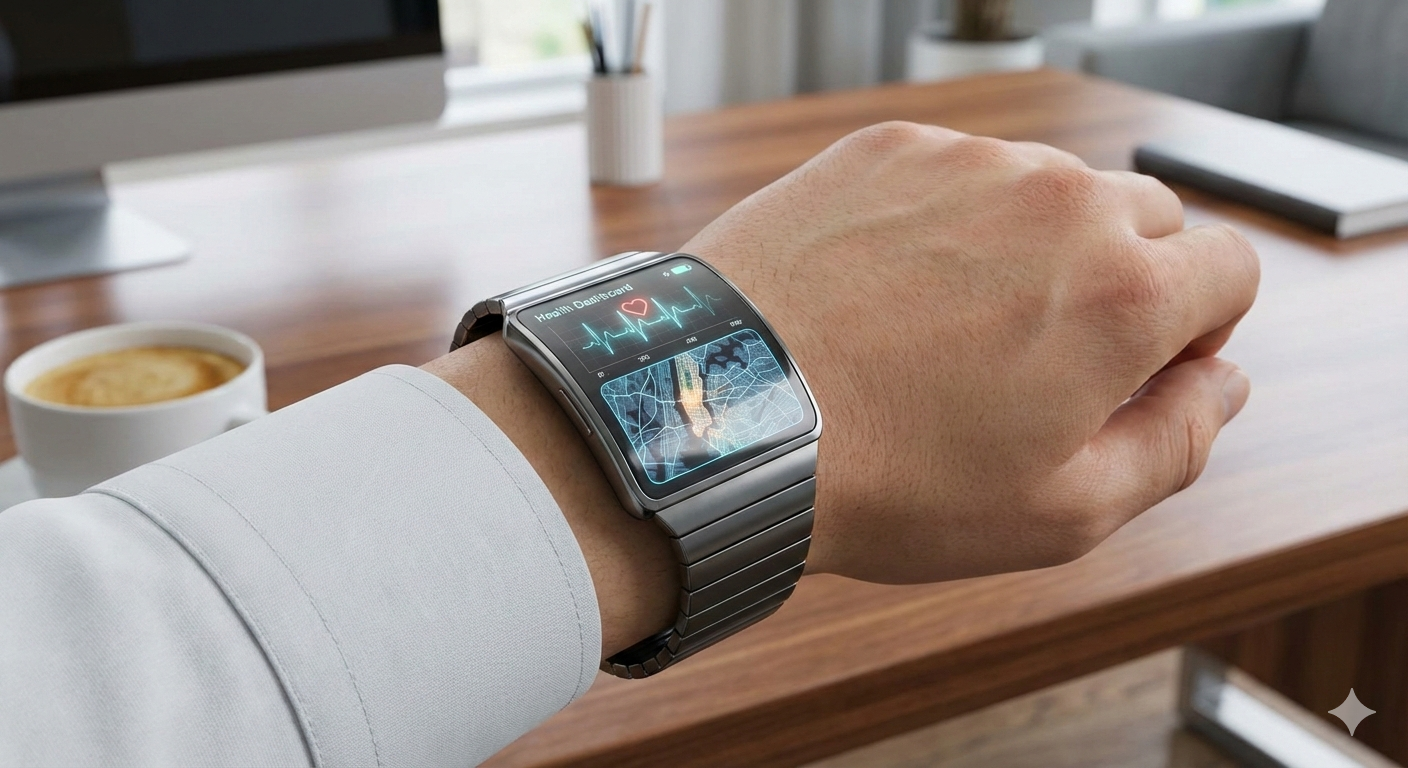
Best Wearable Technology 2026: Top 5 Smartwatches, Fitness Trackers & Smart Rings Americans Are Buying
Discover the best wearable technology in 2026. Compare top smartwatches, fitness trackers, and smart rings including Apple Watch Series 10, Fitbit Charge 6, Garmin Venu 3, and Oura Ring Gen 4. Expert buying guide with pricing and features.
US Wearable Tech Market Explodes to $55.85 Billion in 2026
The wearable technology revolution is here. From smartwatches that detect sleep apnea to AI-powered smart glasses, Americans are embracing wearable devices like never before. The US wearable market hit $55.85 billion in 2025 and experts predict a 13.42% annual growth rate through 2035.
More than 400 million health and fitness wearables shipped worldwide in 2024, with Americans leading the charge. Whether you’re tracking your morning run, monitoring your heart health, or staying connected without pulling out your phone, there’s a wearable device designed for you.
“We’re seeing unprecedented choice across price points,” says tech analyst Patrick George. “2026 will be the best year yet for wearable fans.”
Why Americans Are Buying More Wearable Technology Than Ever
Health Tracking Goes Mainstream
Post-pandemic health awareness has made wearable technology essential for millions of Americans. Today’s devices offer:
- Medical-grade monitoring: Continuous heart rate, blood oxygen, ECG readings, and sleep analysis
- Chronic disease management: Over 400 million Americans with chronic conditions use wearables for daily health tracking
- FDA-approved features: Sleep apnea detection, irregular heart rhythm alerts, and more
- Insurance incentives: Many US health insurers offer premium discounts for sharing wearable data
AI and 5G Transform Wearables
Artificial intelligence now powers personalized health coaching, predictive alerts, and instant insights. Edge computing processes data directly on your device, protecting privacy while delivering real-time recommendations.
The global wearable market is projected to reach $176.77 billion by 2030, up from $84.53 billion in 2025—a staggering 15.9% yearly growth rate. North America represents 39% of the global market, making it the world’s largest regional buyer of wearable technology.
The 5 Best Wearable Devices in America (2026)
1. Apple Watch Series 10 – Best Overall Smartwatch
Price: $399 (GPS) | $499 (Cellular) Best For: iPhone users, comprehensive health tracking, app ecosystem
The Apple Watch Series 10 dominates with over 50% of US smartwatch sales. Released September 2024, it’s the thinnest Apple Watch ever with the largest display in company history.
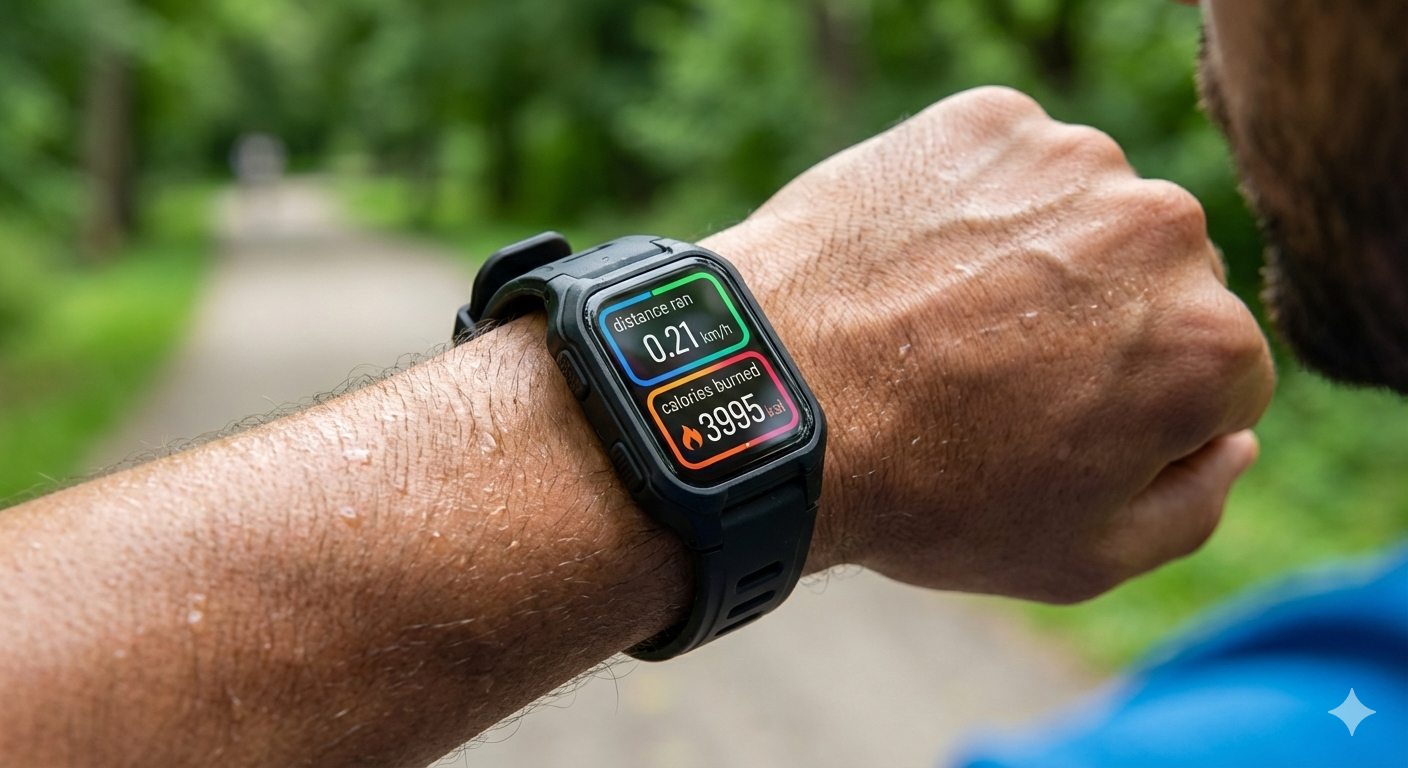
Key Features:
- 30% larger screen than Series 9 (42mm and 46mm options)
- Sleep apnea detection – FDA-cleared, potentially life-saving for 30 million Americans
- Advanced health monitoring: ECG, blood oxygen, temperature sensing, irregular heart rhythm alerts
- Vitals app: Tracks overnight heart rate, respiratory rate, wrist temperature, sleep duration
- 18-hour battery (36 hours in Low Power Mode)
- Fast charging: 80% in 30 minutes
- Crash and fall detection with automatic emergency calls
- Cellular models work without iPhone nearby
Available Colors: Jet black, rose gold, silver (aluminum); natural, gold, slate (titanium)
“The Apple Watch Series 10 could change lives thanks to sleep apnea detection,” notes CNN tech reviewer Henry T. Casey. This feature alone makes it worth considering if you snore or experience daytime fatigue.
Bottom Line: For iPhone users, the Apple Watch Series 10 is the gold standard. Its massive app library, seamless iOS integration, and life-saving health features justify the premium price.
2. Fitbit Charge 6 – Best Budget Fitness Tracker
Price: $159.95 (often on sale for $129-139) Best For: Budget-conscious buyers, week-long battery life, essential fitness tracking
Don’t want to spend $400 on a smartwatch? The Fitbit Charge 6 delivers serious health tracking for a fraction of the cost.
Key Features:
- 7-day battery life – charge once weekly instead of daily
- Built-in GPS for accurate pace and distance tracking
- Continuous heart rate monitoring with heart rate variability (HRV)
- Advanced sleep tracking: Light, deep, REM stages plus Daily Readiness Score
- Stress Management Score with guided breathing sessions
- Blood oxygen (SpO2) and skin temperature monitoring
- 40+ exercise modes including swimming (water-resistant design)
- Active Zone Minutes tracks cardio intensity
- Works with iPhone and Android
Community Features: Fitbit’s social challenges and leaderboards provide motivation through friendly competition—something Apple Watch lacks.
Bottom Line: Best value in wearable technology. If you want serious fitness tracking without smartwatch bells and whistles, the Charge 6 delivers.
3. Garmin Venu 3 – Best for Athletes
Price: $449.99 Best For: Serious athletes, marathon runners, outdoor enthusiasts, 2-week battery life
Athletes and fitness enthusiasts swear by Garmin for precision tracking and marathon battery life. The Venu 3 combines advanced training metrics with lifestyle smartwatch features.
Key Features:
- 14-day battery life in smartwatch mode (26 hours GPS mode with music)
- 1.4-inch AMOLED display with always-on option
- Body Battery energy monitoring – see when to push hard or rest
- Advanced sleep tracking with sleep score and personalized coaching
- Nap detection – automatically tracks daytime naps
- VO2 max estimates and race finish time predictions
- Training readiness and training status
- 40+ sports apps including triathlon, golf, skiing, swimming
- Wheelchair mode for adaptive athletes
- Music storage: 650+ songs (works with Spotify, Amazon Music)
- Garmin Pay contactless payments
GPS Accuracy: Built-in GPS, GLONASS, and Galileo satellite systems plus barometric altimeter for precise elevation.
Bottom Line: Serious athletes need serious metrics. The Venu 3’s two-week battery, advanced training features, and VO2 max tracking make it worth the investment for runners, cyclists, and triathletes.
4. Oura Ring Gen 4 – Best Discreet Health Tracker
Price: $349-$499 (plus $5.99/month membership) Best For: Sleep optimization, discreet tracking, no screen/charging anxiety
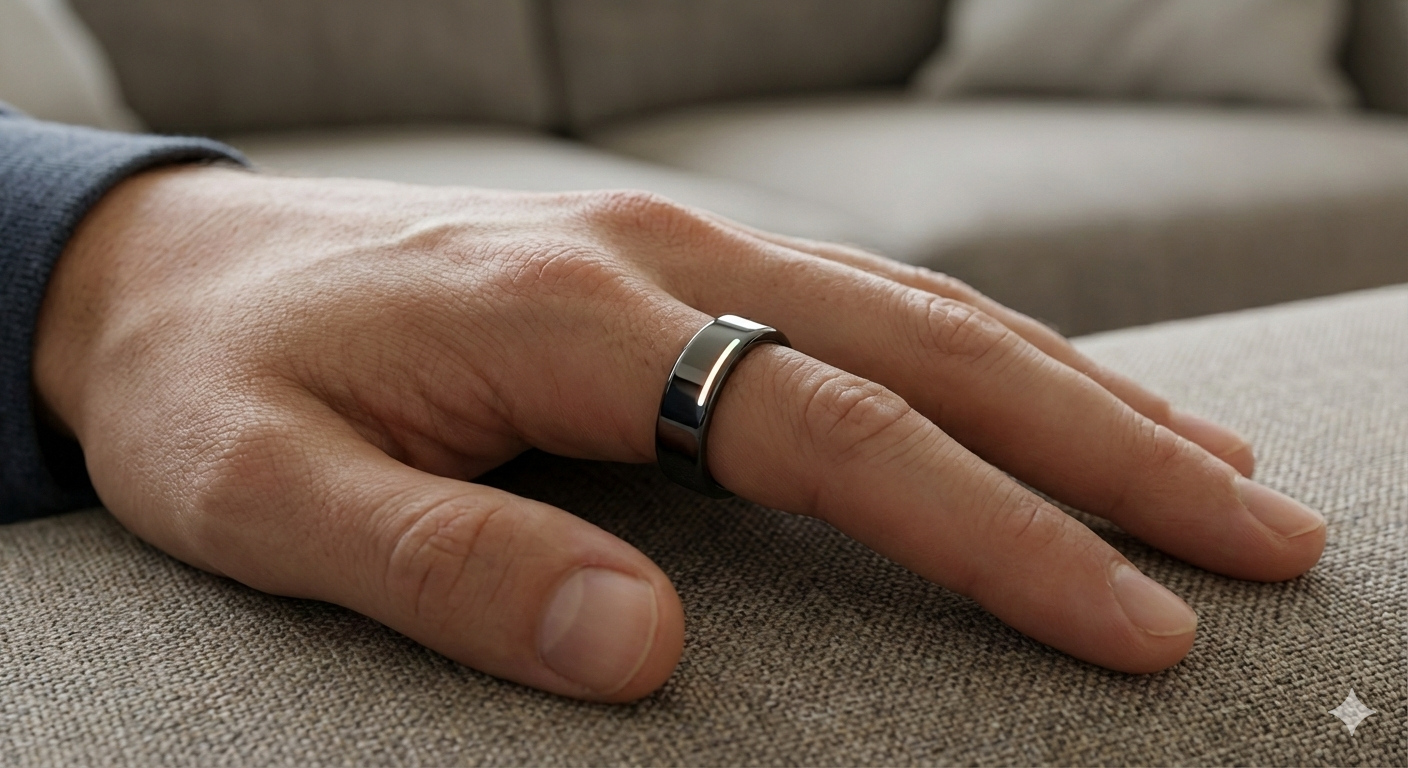
The Oura Ring Gen 4 revolutionizes wearable technology by packing medical-grade health monitoring into a sleek titanium ring. Popular with celebrities, biohackers, and wellness enthusiasts.
Key Features:
- Lightweight titanium ring (4-6 grams)
- 100-meter water resistance
- 6 color finishes: Silver, black, stealth, gold, rose gold, brushed titanium
- 12 sizes for perfect fit
- No screen or buttons – completely passive wear
Health Monitoring:
- Continuous heart rate with medical-grade accuracy
- Heart rate variability (HRV) tracking
- Body temperature detection (0.1°C precision)
- Respiratory rate monitoring
- Blood oxygen (SpO2) sensing
- Sleep stages: Light, deep, REM analysis
Signature Scores:
- Readiness Score: Daily physical and mental preparedness assessment
- Sleep Score: Comprehensive sleep quality rating
- Activity Score: Balanced activity and recovery tracking
- Stress Resilience: Body’s stress response measurement
Battery: 5-7 days per charge with wireless charging dock
The Catch: Requires $5.99/month Oura Membership ($69.99/year) for full insights—controversial since you already paid $349-$499 for the ring.
Bottom Line: Perfect for people who want 24/7 health tracking without the bulk of a smartwatch. Exceptional sleep analysis makes it ideal if you struggle with sleep quality. Just factor in the ongoing subscription cost.
5. Meta Ray-Ban Smart Glasses – Best AI Wearable
Price: $299-$379 Best For: Content creators, hands-free photos/videos, AI visual assistance
While not a health tracker, Meta Ray-Ban Smart Glasses represent the future of wearable technology—AI-powered augmented reality you wear on your face.
Key Features:
- Classic Ray-Ban styling (Wayfarer and other frames)
- Prescription-compatible
- UV protection with polarized lenses
- Looks like regular sunglasses
Camera & AI:
- 12MP ultra-wide camera for photos and 1080p video
- Meta AI visual intelligence: Ask questions about what you see
- Live translation: Translate signs and text in real-time
- Object identification and information lookup
- Voice-activated hands-free capture
Audio:
- Built-in open-ear speakers with enhanced bass
- 5-microphone array for clear calls in noisy environments
- Directional audio keeps conversations private
- Audio recording for videos
Battery & Connectivity:
- 4-8 hours battery life
- Portable charging case for on-the-go power
- Bluetooth 5.3
- Live streaming to Instagram and Facebook
- Meta View app for managing content
Privacy: Visible LED indicator when recording, physical camera cover option, voice notification when recording starts.
Bottom Line: Not for fitness tracking, but revolutionary for hands-free content creation and AI assistance. Perfect for parents capturing kid moments, travelers getting real-time translations, or content creators shooting POV footage.
Note: Apple is rumored to launch competing AI smart glasses late 2026.
Other Top Wearables Worth Considering (2026)
Samsung Galaxy Watch 7
Excellent Android integration, sleep apnea detection, beautiful AMOLED display. Price: $299
Whoop 5.0 and Whoop 5 Pro
Ultimate recovery tracking for serious athletes. Screenless band requires $30/month subscription but provides unmatched recovery insights. Launched May 2025.
Apple Watch SE 3
Budget Apple Watch with sleep apnea notifications, crash detection, cellular capability. Price: $249
Garmin Fenix 8
Rugged GPS watch for extreme athletes and outdoor adventurers. Military-grade durability, multi-week battery, topographic maps. Price: $1,099
How to Choose the Right Wearable Technology
Match Device to Your Goals
General Health & Fitness: Apple Watch Series 10, Fitbit Charge 6, Samsung Galaxy Watch 7
Serious Athletic Training: Garmin Venu 3, Garmin Fenix 8, Whoop 5.0
Sleep Optimization: Oura Ring Gen 4 (best sleep tracking available)
Minimalist Design: Oura Ring Gen 4, Whoop 5.0 (discreet, no screens)
Ecosystem Integration: Apple Watch for iPhone, Samsung Galaxy Watch for Android (especially Samsung phones), Fitbit works with both
Battery Life Comparison
- Smart Rings: 5-7 days (Oura Ring Gen 4)
- Fitness Trackers: 7-14 days (Fitbit Charge 6, Whoop 5.0)
- Smartwatches: 1-2 days daily charging (Apple Watch Series 10, Samsung Galaxy Watch 7)
- Athletic GPS Watches: 7-14 days normal mode, 20-40 hours GPS (Garmin Venu 3, Fenix 8)
- Smart Glasses: 4-8 hours (Meta Ray-Ban)
Most people adapt to daily smartwatch charging, but weekly charging is more convenient.
FDA-Cleared Medical Features
Several consumer wearables now have FDA clearance for medical uses:
- ECG/AFib Detection: Apple Watch Series 10, Samsung Galaxy Watch 7, Fitbit Sense 2
- Sleep Apnea Notifications: Apple Watch Series 10, Apple Watch SE 3, Samsung Galaxy Watch 7
- Continuous Glucose Monitoring: Stelo (over-the-counter CGM approved 2025)
For clinical accuracy, choose FDA-cleared devices. For general wellness trends, any major brand provides adequate tracking.
Privacy & Data Security
Your wearable collects intimate health data. Consider:
- Data ownership: Do you own your health data or does the company?
- Data sharing controls: Can you limit what’s shared and with whom?
- Encryption: Is data encrypted during transmission and storage?
- Third-party sales: Does the company sell your data to advertisers?
- HIPAA compliance: For medical use, is the device HIPAA-compliant?
Privacy leaders: Apple and Garmin receive high marks for protecting user privacy. Ad-supported services may monetize your data.
Hidden Subscription Costs
Some wearables require ongoing subscriptions:
- Oura Ring: $5.99/month or $69.99/year (required for full features)
- Whoop: $30/month, $239/year, or $399 for 24 months (hardware included)
- Fitbit Premium: $9.99/month or $79.99/year (optional advanced features)
- Apple Fitness+: $9.99/month or $79.99/year (optional guided workouts)
- Garmin: Free basic features, no required subscription
Calculate total cost: A $400 device with no subscription may cost less over 3 years than a $350 device requiring $6/month.
The Future of Wearable Technology
AI Gets Smarter
Generative AI is transforming wearables from passive trackers into proactive health coaches. Apple Intelligence, Google AI, and Meta AI now provide:
- Contextual health recommendations
- Predictive health alerts before issues become serious
- Personalized coaching based on your unique patterns
Expect AI features across all price points by 2027.
Non-Invasive Blood Sugar Monitoring
Apple, Samsung, and multiple startups are racing to develop accurate non-invasive glucose monitoring—eliminating finger pricks for 37 million+ Americans with diabetes.
Industry experts predict commercial availability by 2027-2028, though significant technical challenges remain.
Expanded FDA Medical Clearances
As wearables prove clinical accuracy, the FDA continues approving new medical uses:
- 2024: Sleep apnea detection (Apple Watch Series 10)
- 2025: Over-the-counter continuous glucose monitoring (Stelo)
- 2025: Therapeutic vibration for osteoporosis (OsteoBoost)
Coming soon: Blood pressure monitoring, mental health screening, early disease detection.
Smart Clothing Revolution
The next frontier: sensors woven directly into clothing. Smart shirts with ECG monitoring, compression wear tracking muscle fatigue, and athletic apparel measuring biomechanics are moving from labs to stores.
Market analysts project the smart clothing segment will grow at 14.3% annually through 2035, potentially exceeding $50 billion globally.
Apple Smart Glasses Coming?
Apple reportedly plans to launch AI-powered smart glasses by late 2026, competing directly with Meta Ray-Ban. This would validate the category and accelerate mainstream adoption of augmented reality glasses.
“Apple’s entry into AI wearables marks significant expansion into the wearable market,” according to Fortune Business Insights.
Final Verdict: Which Wearable Should You Buy?
The best wearable technology for you depends on your specific needs and budget:
Best Overall: Apple Watch Series 10 – Comprehensive health tracking, massive app ecosystem, FDA-cleared sleep apnea detection. Worth the $399 premium for iPhone users.
Best Value: Fitbit Charge 6 – Essential fitness tracking at $159.95. Perfect for budget-conscious buyers who want solid health monitoring without smartwatch extras.
Best for Athletes: Garmin Venu 3 – Two-week battery, precision GPS, advanced training metrics. Serious athletes need serious tools.
Best for Sleep: Oura Ring Gen 4 – Industry-leading sleep analysis in a discreet ring. Just factor in the $5.99/month subscription.
Most Innovative: Meta Ray-Ban Smart Glasses – Hands-free AI assistance and content creation. The future of augmented reality, today.
Why 2026 Is the Year to Buy Wearable Technology
Wearable technology has evolved from optional gadgets to essential health tools. With medical-grade sensors, AI-powered insights, FDA clearances for clinical features, and seamless connectivity, today’s wearables genuinely improve your health and life.
Whether you’re tracking athletic performance, optimizing sleep, managing chronic conditions, or staying connected on-the-go, there’s a perfect wearable device for you in 2026.
The question isn’t whether to buy wearable technology—it’s which one fits your lifestyle best.
Frequently Asked Questions (FAQ)
Q: What is the most popular wearable device in America? A: The Apple Watch Series 10 leads with over 50% of US smartwatch sales, followed by Fitbit and Garmin devices.
Q: Are wearable devices accurate? A: FDA-cleared features (ECG, sleep apnea detection) offer medical-grade accuracy. General fitness tracking provides adequate accuracy for trend monitoring.
Q: Do I need a subscription for wearable devices? A: Depends on the device. Oura Ring and Whoop require subscriptions. Apple Watch, Fitbit, and Garmin offer full features without mandatory subscriptions (though premium tiers are available).
Q: Can wearables detect serious health conditions? A: Yes. FDA-cleared wearables can detect atrial fibrillation, sleep apnea, and irregular heart rhythms. They’ve saved lives by alerting users to seek medical care.
Q: What’s the best wearable for sleep tracking? A: Oura Ring Gen 4 offers the most comprehensive sleep analysis, followed by Garmin Venu 3 and Apple Watch Series 10.
Q: How long do wearable devices last? A: Battery life per charge varies from 18 hours (Apple Watch) to 14 days (Garmin). Device lifespan is typically 3-5 years before needing replacement.
Q: Are wearables waterproof? A: Most are water-resistant for swimming. Apple Watch Series 10 handles 50-meter depths, Oura Ring survives 100 meters, Fitbit Charge 6 is swim-proof.
Medical Disclaimer: Wearable devices are not intended to diagnose, treat, cure, or prevent diseases. FDA-cleared features are noted where applicable. Consult healthcare professionals for medical advice.
Last Updated: January 27, 2026
Related Searches: best smartwatch 2026, fitness tracker comparison, Apple Watch vs Fitbit, Garmin watch review, Oura Ring worth it, wearable technology trends, health tracking devices, smart glasses 2026
Related News :
2026 New Cars: Complete Guide to 32+ Electric Vehicles and Game-Changing Models Launching This Year
Social Connect

