


London Stocks Mixed as FTSE 100 Holds Steady: Gold Mining Stocks Soar While UK Banks Eye Higher Profit Targets
London’s stock market opened the week in cautious mode Monday, with the benchmark FTSE 100 index essentially flat as surging gold mining stocks offset declines in industrial and travel sectors amid lingering geopolitical tensions and uncertainty over President Trump’s trade policy.
FTSE 100 Stock Market Today: Mixed Trading as Investors Digest Trump Tariff Threats
As of 10:17 a.m. London time (5:17 a.m. ET) on Monday, January 26, 2026, both the blue-chip FTSE 100 index and the mid-cap FTSE 250 index were trading virtually unchanged from Friday’s close, reflecting investor caution following last week’s volatility sparked by President Trump’s tariff threats against European nations including the United Kingdom.
The mixed performance comes as London markets digest the implications of Trump’s controversial proposal to impose tariffs on Britain and other European countries unless they agree to his demands regarding Greenland—a threat that has injected fresh uncertainty into global trade relationships.
Stock Market Sectors: Winners and Losers Today
Monday’s trading revealed sharp divergences across different sectors of the British economy:
Biggest Losers:
- Industrial stocks: Down 1.4%, weighing most heavily on the FTSE 100
- Travel and leisure companies: Fell over 1%, pressured by geopolitical worries and rising oil prices
- Consumer discretionary: Weakness amid broader economic uncertainty
Top Gainers:
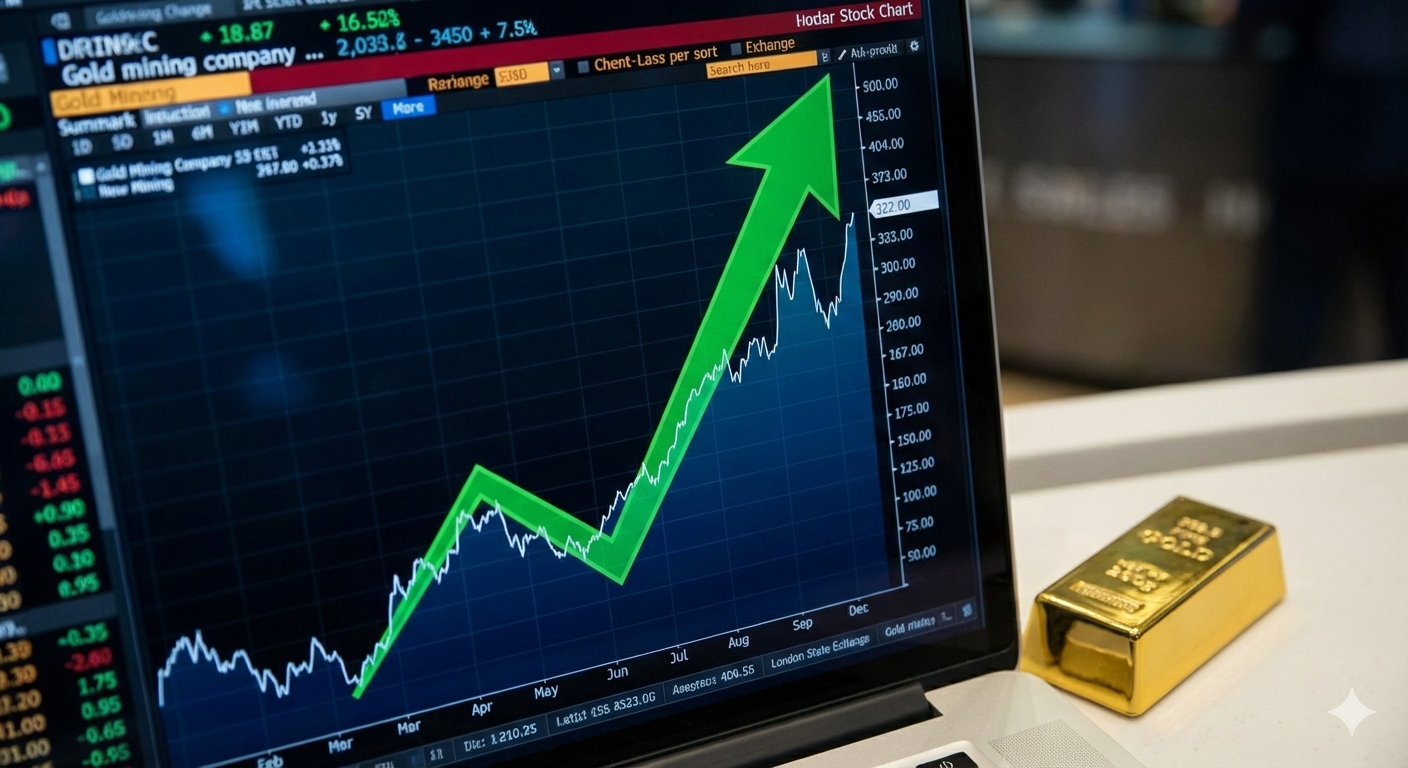
- Gold mining stocks: Surged 3.6% to record highs as gold and silver prices climbed
- Base metals miners: Rose 0.9%, benefiting from bullish commodities outlook
- Financial services: Banks up 0.6%, life insurance companies gaining 0.8%
The cautious trading tone reflects continued investor apprehension following last week’s volatility, when Trump administration officials suggested tariffs could become a standard bargaining tool in international negotiations.
Spire Healthcare Stock Rockets 17% on $1.9 Billion Buyout Talks
The standout performer in London trading Monday was Spire Healthcare, whose shares skyrocketed 17% after the private hospital operator confirmed it’s in preliminary buyout discussions with multiple private equity firms.
Private Equity Firms Circle Britain’s Largest Hospital Chain
Spire Healthcare, which operates 38 private hospitals and more than 50 clinics across England, Wales, and Scotland, announced over the weekend that it’s exploring “strategic options” including a potential sale to buyout firms.
According to sources familiar with the matter, private equity firms Bridgepoint and Triton Partners are the leading contenders to acquire the company in a deal that could value Spire at approximately $1.9 billion.
Additional buyout firms Advent International and Bain Capital have also expressed interest in the process being run by investment bank Rothschild & Co, though these firms aren’t expected to advance to later bidding rounds, according to Sky News reports.
Why Private Equity Wants Spire Healthcare
Spire represents an attractive acquisition target for several reasons:
Market Leadership: As Britain’s largest independent private healthcare provider, Spire treated over 1.3 million patients in 2024 and is the country’s leading provider of hip and knee replacement procedures.
Real Estate Assets: The company owns substantial real estate across the UK, which investors believe could unlock significant value not reflected in the current stock price.
Medical Network: Spire works with approximately 9,000 medical consultants and employs thousands across its hospital network.
Diversified Revenue Streams: Beyond hospitals, Spire operates private physician practices and provides occupational health services to hundreds of corporate clients.
Stock Performance and Valuation

Spire’s shares have fallen more than 26% over the past twelve months, closing at 178.2 pence on Friday before news of the buyout talks surfaced. The stock had dropped almost 14% since September when the company first announced it was exploring strategic options.
Monday’s 17% surge pushed shares to 207 pence by mid-morning trading, giving the company a market cap of approximately $969 million. However, any successful takeover bid would likely need to offer a substantial premium—potentially 30-40% above current levels—to win shareholder approval.
Failed Takeover Attempt in 2021
In 2021, some of Spire’s largest shareholders rejected a 250 pence-per-share offer from Australia’s Ramsay Healthcare, arguing the proposal significantly undervalued the business. The rejection has proven costly in hindsight, as Spire’s shares now trade nearly 30% below that rejected bid price.
South African healthcare group Mediclinic currently owns a 29.9% stake in Spire and would play a crucial role in any takeover negotiation.
Bridgepoint’s Previous Connection
Bridgepoint’s interest carries particular significance: the private equity firm previously owned Oasis Dental Care when Justin Ash—Spire’s current CEO—was running that business. This existing relationship could facilitate smoother takeover negotiations.
Triton Partners brings substantial healthcare sector expertise, with existing investments including Pharmanovia, a specialty prescription medicines producer.
UK Banks Preparing to Raise Profit Targets: HSBC and NatWest Lead the Way
In a significant development for London’s financial sector, major British banks HSBC and NatWest are preparing to follow their European rivals by lifting key profit targets when they report annual earnings in the coming weeks, according to people close to the matter.
Why Are UK Banks Boosting Profit Forecasts?
Several factors are driving the improved outlook for British banking:
Higher Interest Rates: While the Bank of England has begun cutting rates from pandemic-era highs, interest rates remain elevated compared to the 2010s, boosting net interest margins—the difference between what banks pay depositors and charge borrowers.
Economic Recovery: Britain’s economy has shown signs of recovery since Finance Minister Rachel Reeves’ annual budget statement in November 2024, following months of uncertainty for employers and households.
Lower Credit Loss Provisions: Banks had set aside substantial reserves for potential loan losses during the cost-of-living crisis, but these provisions are now being released as the economy stabilizes.
Strong Mortgage Demand: The UK housing market has proven more resilient than expected, supporting banks’ mortgage lending businesses.
Financial Stocks Rally Monday
Reflecting optimism about upcoming earnings reports, bank stocks rose 0.6% on Monday while life insurance companies gained 0.8%, outperforming the broader FTSE 100 index.
Major British financial institutions including Barclays, Lloyds Banking Group, and Standard Chartered are all expected to report improved profitability when they release annual results over the next several weeks.
Gold Mining Stocks Hit Record Highs as Gold Prices Surge
Gold mining companies were Monday’s top performers on the FTSE 100, surging 3.6% to record levels as gold and silver prices extended their remarkable bull run into 2026.
Gold Prices Continue Historic Rally
Gold prices have been one of the best-performing assets globally, with spot gold climbing above $4,390 per ounce—continuing a rally that saw the yellow metal gain 64% in 2025, its strongest annual performance since 1979.
Several factors continue driving gold higher:
Central Bank Buying: Central banks worldwide, particularly in emerging markets, have been accumulating gold reserves at the fastest pace in decades as they diversify away from dollar-denominated assets.
Geopolitical Uncertainty: Ongoing tensions involving Ukraine, the Middle East, and US-China relations have increased demand for safe-haven assets.
Fed Rate Cut Expectations: Markets anticipate the Federal Reserve will resume cutting interest rates later in 2026, which typically benefits non-yielding assets like gold.
Tariff Concerns: President Trump’s threats to impose sweeping tariffs on trading partners have raised inflation concerns, boosting demand for gold as an inflation hedge.
Top-Performing Mining Stocks
Leading gold and silver mining stocks trading on the FTSE 100 posted substantial gains Monday:
- Fresnillo: The Mexican silver and gold miner has been a consistent top performer
- Endeavour Mining: West African gold producer benefiting from record gold prices
- Polymetal International: Diversified precious metals producer
Base metals miners also climbed 0.9% Monday, buoyed by optimism over infrastructure spending and the global energy transition driving demand for copper, nickel, and other industrial metals.
Trump’s Tariff Threats Continue Weighing on European Markets
While President Trump on Friday backed away from his most extreme threat to impose 200% tariffs on European goods unless EU nations agree to his Greenland demands, uncertainty about US trade policy continues weighing on investor sentiment.
What Did Trump Threaten Regarding Britain and Europe?
Last week, the Trump administration suggested it could impose punitive tariffs on Britain and other European nations if they don’t support US ambitions to acquire Greenland from Denmark—an autonomous territory that has repeatedly stated it’s not for sale.
The threat represented an unusual blend of 19th-century territorial ambitions with 21st-century economic coercion, leaving European leaders and investors uncertain about how seriously to take the proposal.
Have the Tariff Threats Been Withdrawn?
While Trump has since moderated his rhetoric, investors remain concerned that tariffs could become his administration’s go-to negotiating tactic on issues ranging from trade imbalances to defense spending to unrelated geopolitical disputes.
“The cautious tone reflects continued investor apprehension,” one London-based analyst noted. “Even though the immediate threat has receded, investors continue to debate the long-term implications for global trade if tariffs become a standard bargaining tool.”
New Iran Sanctions Add to Market Anxiety
Fresh US sanctions targeting Iran announced over the weekend have further reinforced market anxiety, particularly for energy and travel companies concerned about potential disruptions to oil supplies and Middle East stability.
Oil prices rose Monday on concerns that escalating US-Iran tensions could threaten crude supplies from the Persian Gulf region, contributing to weakness in travel and leisure stocks sensitive to fuel costs.
British Economic Recovery Gains Momentum After Budget Uncertainty
Britain’s economy has shown encouraging signs of recovery in recent months, providing a more supportive backdrop for UK stocks than many investors anticipated entering 2026.
Rachel Reeves’ Budget Removes Uncertainty
Finance Minister Rachel Reeves’ annual budget statement delivered in November 2024 removed a significant cloud of uncertainty that had been weighing on business confidence and household spending plans.
While the budget included substantial tax increases—particularly for businesses—the clarity it provided about the government’s fiscal plans has allowed companies to plan more confidently for the year ahead.
Recent UK Economic Data Highlights
PMI Expansion: S&P Global PMI figures showed UK private sector activity expanded in January at its fastest pace since April 2024, indicating strengthening momentum across both services and manufacturing sectors.
Retail Sales Beat Forecasts: December retail sales rose 0.4%, exceeding economists’ expectations and suggesting consumer spending held up better than feared during the critical holiday shopping season.
Consumer Confidence Improves: Consumer confidence reached its highest level since August 2024, reflecting improved sentiment about personal finances and the economic outlook.
Housing Market Resilience: UK home prices have proven more stable than many predicted, with Nationwide reporting the average home price at £271,068 ($369,000) in December 2024, down just 0.4% month-over-month after seasonal adjustments.
All Eyes on Federal Reserve Meeting This Week
While the Bank of England isn’t meeting this week, investors are closely watching the US Federal Reserve’s policy decision scheduled for Wednesday, January 28, 2026.
Fed Expected to Hold Rates Steady
The Federal Reserve is widely expected to keep its benchmark federal funds rate unchanged in the 4.25-4.50% range, following rate cuts totaling 100 basis points in late 2025.
However, the meeting’s significance extends beyond the rate decision itself.
Fed Independence Concerns Take Center Stage
Concerns about the Federal Reserve’s independence from political pressure are likely to dominate Wednesday’s proceedings, following President Trump’s repeated public criticism of Fed Chairman Jerome Powell and calls for immediate rate cuts.
Trump has argued that high interest rates are unnecessarily slowing economic growth and has suggested he might seek to remove Powell before his term expires in May 2026—a move that would represent an unprecedented assault on central bank independence.
Why Does Fed Policy Matter for London Stocks?
Federal Reserve decisions have outsized influence on global markets, including London’s FTSE 100:
Dollar Strength: Fed policy drives the US dollar’s value, which affects FTSE companies’ international earnings when converted back to pounds.
Global Growth: Fed interest rates influence global economic growth, affecting demand for British exports and multinational companies’ overseas revenues.
Commodity Prices: Many FTSE 100 miners and energy companies price their products in dollars, making their profits sensitive to Fed-driven currency movements.
Risk Appetite: Fed policy shapes global investor risk appetite, influencing whether money flows toward or away from international equities including UK stocks.
Sector-by-Sector Breakdown: Winners and Losers in Monday Trading
Energy Stocks: Mixed Performance on Oil Price Moves
Energy companies showed mixed performance Monday as crude oil prices rose on geopolitical concerns but remained well below recent peaks.
- BP: Relatively flat as investors assess impact of higher crude prices versus refining margin pressures
- Shell: Modest gains supported by oil price increases
- Harbour Energy: UK-focused producer benefiting from North Sea production
Industrial Stocks: Biggest Drag on FTSE 100
Industrial shares weighed most heavily on London markets, falling 1.4% as a group:
- Rolls-Royce: Weakness after strong recent gains
- BAE Systems: Defense contractor pulling back from elevated levels
- Ashtead Group: Equipment rental company facing US economic concerns
Travel and Leisure: Over 1% Decline on Multiple Headwinds
Travel and leisure stocks dropped more than 1%, pressured by:
- Rising oil prices increasing airline fuel costs
- Geopolitical uncertainty affecting travel demand
- Broader consumer discretionary weakness
Leading decliners included:
- InterContinental Hotels Group: Global hotel operator
- Whitbread: Owner of Premier Inn hotels
- easyJet: Budget airline facing fuel cost pressures
Financial Services: Bright Spot with Banks and Insurers Gaining
Financial stocks remained in demand Monday:
Banks (up 0.6%):
- HSBC
- Barclays
- NatWest Group
- Lloyds Banking Group
- Standard Chartered
Life Insurers (up 0.8%):
- Prudential
- Legal & General
- Phoenix Group
- Aviva
Mining Stocks: Clear Leaders on Commodities Strength
Mining companies dominated the day’s gainers:
Gold and Silver Miners (up 3.6% to record highs):
- Fresnillo
- Endeavour Mining
- Polymetal International
Base Metals Miners (up 0.9%):
- Anglo American
- Glencore
- Antofagasta
- Rio Tinto
- BHP Group
What’s Driving the Broader Commodities Outlook?
Mining stocks’ strong performance reflects several positive trends for commodity prices:
China Stimulus Hopes
Speculation about additional Chinese government stimulus measures to support the world’s second-largest economy has boosted prices for industrial metals like copper, iron ore, and aluminum.
Energy Transition Demand
The global shift toward renewable energy and electric vehicles continues driving demand for copper (electrical wiring), lithium (batteries), nickel (battery cathodes), and cobalt (battery anodes).
Supply Constraints
Years of underinvestment in new mining capacity following the 2015 commodity downturn are creating supply constraints just as demand accelerates, supporting higher prices.
Inflation Hedge Demand
Both gold and industrial metals benefit from investor concerns about inflation returning if Trump follows through on sweeping tariff threats.
FTSE 100’s Recent Record Run
London’s benchmark index has enjoyed a strong start to 2026, building on exceptional 2025 performance.
Historic Milestone: First Close Above 10,000
The FTSE 100 crossed the psychologically significant 10,000-point threshold for the first time in early January 2026, reaching an intraday high of 10,257.75 on January 16 and a closing record of 10,238.94 on January 15.
The milestone capped a remarkable run that saw the index gain more than 21% during 2025—one of its best annual performances in decades.
What Drove the FTSE to Records?
Several factors contributed to the FTSE 100’s record-breaking rally:
Mining Stock Surge: Gold and base metals miners, which represent a substantial portion of the index, rallied sharply on soaring commodity prices.
Energy Strength: Oil and gas majors BP and Shell benefited from elevated energy prices for much of 2025.
Weak Pound: Sterling’s weakness against major currencies boosted the pound-denominated value of FTSE companies’ overseas earnings (approximately 75% of FTSE 100 revenues come from outside the UK).
Banking Recovery: UK banks recovered strongly as interest rates remained elevated and the economy avoided recession.
Defense Spending: European defense contractors like BAE Systems surged on increased military budgets following Russia’s invasion of Ukraine.
Recent Pullback from All-Time Highs
The FTSE 100 has pulled back slightly from its mid-January records, closing at 10,131 points on Friday, January 23—down approximately 1% from the all-time high but still well above the 10,000 threshold.
Friday’s decline was led by weakness in financial stocks including HSBC, Barclays, and Standard Chartered, which fell more than 1%, while Lloyds Banking Group and NatWest also declined.
Comparing FTSE 100 to US Stock Market Indices
How Does London Compare to Wall Street?
The FTSE 100’s performance has lagged behind major US indices over the past year:
S&P 500: Rose over 16% in 2025, driven by technology giants and AI enthusiasm Nasdaq Composite: Led with over 20% gains, powered by mega-cap tech stocks Dow Jones Industrial Average: Posted solid double-digit gains
However, the FTSE 100’s 21%+ gain in 2025 represents its strongest performance in years and reflects a different economic exposure—heavy weighting toward energy, mining, and financial stocks versus America’s tech-dominated indices.
European Stock Market Comparison
The FTSE 100 outperformed most major European indices in 2025:
Stoxx 600 (Pan-European Index): Rose 16.7% in 2025, its third consecutive year of gains DAX (Germany): Strong performance but facing industrial sector headwinds CAC 40 (France): Solid gains amid political uncertainty
What to Watch in Coming Days and Weeks
Key Events for London Markets
This Week:
- Federal Reserve policy decision (Wednesday, January 28)
- US GDP data (Thursday, January 29)
- More FTSE earnings releases
Coming Weeks:
- HSBC annual earnings (early February)
- NatWest annual results (mid-February)
- Bank of England monetary policy meeting (February 6)
- Rachel Reeves’ first Spring Statement as Chancellor
Potential Market-Moving Catalysts
Spire Healthcare Takeover: Any formal bid announcement could spark renewed takeover speculation across mid-cap healthcare and services companies.
Banking Earnings: Strong results from HSBC and NatWest could drive financial stocks higher and support the broader FTSE 100.
Trump Tariff Clarity: More definitive statements about actual tariff implementation versus threats could reduce uncertainty premium in markets.
Commodities Prices: Continued strength in gold, silver, copper, and oil would support the commodity-heavy FTSE 100.
UK Economic Data: Further confirmation of economic recovery would boost domestically-focused FTSE 250 stocks.
Investment Implications for US Investors
Why Should American Investors Care About the FTSE 100?
US investors might consider London stocks for several reasons:
Diversification: FTSE 100 companies provide exposure to different sectors and geographies than US-heavy portfolios.
Commodities Exposure: The index offers substantial mining and energy exposure that’s underrepresented in US indices.
Currency Play: Investing in UK stocks provides implicit exposure to British pound movements versus the dollar.
Value Opportunity: UK stocks generally trade at lower price-to-earnings multiples than US equivalents, potentially offering value.
Dividend Income: Many FTSE 100 companies offer higher dividend yields than comparable American firms.
How Can Americans Invest in UK Stocks?
US investors can access British stocks through:
ADRs (American Depositary Receipts): Major UK companies like BP, Shell, HSBC, and AstraZeneca trade as ADRs on US exchanges.
UK-Focused ETFs: Funds like iShares MSCI United Kingdom ETF (EWU) and Franklin FTSE United Kingdom ETF (FLGB) provide broad exposure.
International Brokerage Accounts: Platforms like Interactive Brokers allow direct trading on the London Stock Exchange.
Global Mutual Funds: Many international and global equity funds include substantial UK holdings.
Risks for US Investors
Currency Risk: Pound-dollar exchange rate fluctuations can significantly impact returns for US investors.
Political Uncertainty: UK politics and Brexit aftermath continue creating regulatory and economic uncertainty.
Tax Complications: Foreign dividend withholding taxes and reporting requirements add complexity.
Time Zone Differences: London markets operate during early US morning hours, limiting trading flexibility for Americans.
Market Expert Analysis: What Analysts Are Saying
Toni Meadows, BRI Wealth Management
“Passing any large round number on an index is psychologically important, but the foundations for the move have to be solid for the new level to set a floor rather than act as a ceiling for the index.”
Meadows’ comment references the FTSE 100’s breakthrough above 10,000 points—a milestone that could either mark the beginning of a new sustained advance or prove to be a temporary peak if underlying fundamentals don’t support higher valuations.
Tim Waterer, KCM Trade
“Precious metals are commencing 2026 in much the same fashion as they performed in 2025, which is to say with forward momentum. They seem to be making amends for the year-end selling, which afflicted them earlier in the week. Year-end position-squaring pressures have eased and gold is kicking off 2026 with gains, now that fundamentals are again in focus.”
Waterer’s analysis explains why gold mining stocks are leading Monday’s FTSE 100 gains—gold and silver prices are resuming their upward trajectory after brief year-end profit-taking.
The Bottom Line: Cautious Optimism Amid Uncertainty
Monday’s subdued trading in London reflects the delicate balance facing investors as 2026 gets underway:
Positive Factors:
- UK economic recovery gaining traction
- Banking sector poised to raise profit targets
- Gold and silver at record highs supporting miners
- Corporate earnings expectations improving
Concerning Factors:
- Trump tariff threats creating trade policy uncertainty
- Geopolitical tensions involving Iran adding risk premium
- Industrial and travel sectors showing weakness
- Fed independence concerns complicating monetary policy outlook
The mixed performance—with mining and financial stocks rising while industrials and travel companies fall—suggests investors are selectively positioning for a complex year ahead rather than making broad directional bets.
Spire Healthcare’s 17% surge on buyout news demonstrates that company-specific catalysts can still drive substantial stock movements even when broader market sentiment remains cautious.
As the week progresses, attention will shift to Wednesday’s Federal Reserve meeting, Thursday’s US GDP report, and the ongoing flow of UK corporate earnings—any of which could provide the catalyst for the FTSE 100 to break decisively in either direction from current levels.
Key Takeaways for US Investors
- London’s FTSE 100 trading flat Monday as miners offset industrial stock weakness
- Spire Healthcare surges 17% on $1.9 billion buyout talks with Bridgepoint, Triton
- UK banks HSBC, NatWest preparing to raise profit targets amid economic recovery
- Gold mining stocks hit records as gold extends historic rally above $4,390/oz
- Trump tariff uncertainty continues weighing on European markets
- Federal Reserve meeting Wednesday could impact global stocks including London
- British economy showing recovery signs after November budget removed uncertainty
Updated Monday, January 26, 2026, 11:00 AM ET. Stock prices and market data reflect London trading as of 10:17 AM GMT (5:17 AM ET). All currency conversions use approximate current exchange rates.
Related News :
BitGo Targets $1.96 Billion Valuation in First Major Crypto IPO of 2026
Social Connect

