

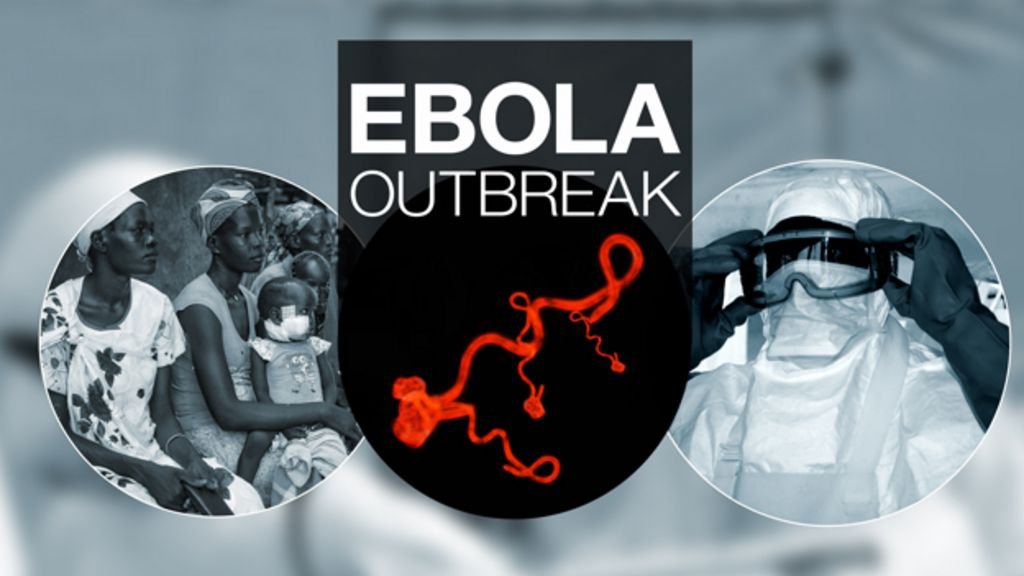
Global Defense Grid: Inside the Emergency Declaration and Containment Strategy for the New Ebola Outbreak
GENEVA, SWITZERLAND — In a high-stakes move that underscores the volatile dynamics of infectious disease control, the World Health Organization (WHO) has officially declared a Public Health Emergency of International Concern (PHEIC) following a rapid, cross-border Ebola outbreak originating in the eastern provinces of the Democratic Republic of the Congo (DRC). The declaration, issued by WHO Director-General Dr. Tedros Adhanom Ghebreyesus on Sunday, May 17, 2026, places the global health network on immediate high alert. The multi-city escalation has triggered rigorous screening mandates across international transit hubs, including major commercial airports throughout India, as medical systems mobilize to insulate borders against an uncontrolled global spread.
The designation of this complex Ebola outbreak as an international health emergency is driven by a series of compounding risk variables. Unlike past epidemics that remained confined to localized, remote forest environments, this current Ebola outbreak has breached major urban centers with alarming speed. Laboratory-confirmed infections have already been documented in the eastern DRC hub of Goma, the nation’s sprawling capital of Kinshasa, and across the international border into Kampala, the capital city of neighboring Uganda.
By taking root simultaneously inside multiple densely populated metropolitan environments, the Ebola outbreak presents an immediate threat to regional and global biosecurity, forcing an immediate, coordinated global response.
Part I: The Discovery and Laboratory Typing of a Rare Pathogen Strain
To trace the rapid trajectory of this international emergency, one must examine the clinical genesis of the Ebola outbreak in the field. The initial alarm was raised on May 5, 2026, when local health agencies alerted the WHO to a high-mortality cluster of an unidentified hemorrhagic illness in the Mongbwalu Health Zone, located within the conflict-heavy Ituri Province of northeastern DRC. The extreme virulence of the initial chain of transmission was highlighted by the rapid deaths of four frontline healthcare workers within a four-day window, signaling an acute breakdown in localized infection prevention protocols during the earliest phase of the Ebola outbreak.
+------------------------------------------------------------------------+
|                      GLOBAL EBOLA OUTBREAK MATRIX (MAY 2026)           |
+========================================================================+
|  1. Pathogen Subtype       --> BUNDIBUGYO VIRUS DISEASE (BVD)          |
|                                Case-Fatality Rate: 30% to 50% Profile. |
|  2. Current Case Ledger    --> 8 LAB-CONFIRMED; 393 SUSPECTED CASES    |
|                                105 Suspected Fatalities in Ituri Zone. |
|  3. Regional Transmission  --> MULTI-CITY ESCALATION                   |
|                                Confirmed cases in Kinshasa & Kampala.  |
+------------------------------------------------------------------------+
|  VACCINE / THERAPEUTIC AVAILABILITY --> ZERO Approved Direct Options    |
+------------------------------------------------------------------------+
On May 14, 2026, blood samples collected from infected individuals in the Rwampara Health Zone were processed by the Institut National de Recherche Biomédicale (INRB) in Kinshasa. The resulting genetic sequencing data confirmed that the current Ebola outbreak is driven by the Bundibugyo ebolavirus (Orthoebolavirus bundibugyoense) strain. This typing is highly significant, as the Bundibugyo species represents one of the rarest and most difficult-to-track iterations of the virus, completely distinct from the Zaire strain that caused the devastating West African epidemic years prior.
The confirmation of the Bundibugyo strain introduces a massive obstacle to containing the current Ebola outbreak. While the global medical community successfully developed and stockpiled effective vaccines (such as Merck’s Ervebo) and monoclonal antibody therapeutics (including Inmazeb and Ebanga) during previous emergencies, these medical assets are formulated exclusively to target the Zaire strain.
There are currently zero approved vaccines or specific antiviral therapeutics available to counter the Bundibugyo strain fueling this active Ebola outbreak. Consequently, medical teams are forced to rely entirely on classic supportive care, strict physical isolation, and aggressive contact tracing to break the chains of transmission.
Part II: The Megacity Threat — Cross-Border Spread and Urban Infiltration
The primary factor that forced the WHO to escalate this Ebola outbreak to a global emergency is the geographical footprint of the current transmission clusters. For decades, global health authorities operated on a standard playbook where a remote rural Ebola outbreak could be contained by establishing a quarantine ring around an isolated village. However, the current Bundibugyo Ebola outbreak has bypassed traditional containment lines due to intense population mobility, long-standing trade corridors, and a deep humanitarian crisis that has displaced millions of individuals within the Great Lakes region of Africa.
The entry of the virus into major urban hubs has transformed the Ebola outbreak from a regional problem into a complex international risk. The confirmation of an imported infection in Goma—a highly integrated transit hub situated directly on the Rwandan border—led authorities to quickly close adjacent border checkpoints, complicating humanitarian logistics.
Simultaneously, the discovery of cases in the megacity of Kinshasa and the admission of two infected travelers into intensive care facilities in Kampala, Uganda, proves that the Ebola outbreak traveled along commercial transport routes well before formal diagnostic tracking could intercept it.
               THE URBAN TRANSMISSION TRACK OF THE VIRUS

     [ Ituri Province: Rural Genesis ] ----------------------+
                         Initial high-mortality cluster in   |
                         Mongbwalu mining communities.       |
                                                             |
     [ Regional Transit Pipelines ] <------------------------+
                         Infected contacts migrate via trade
                         routes toward provincial hubs.

     [ Urban Centers: Active Grid ] -------------------------+
                         Simultaneous cases confirmed in     |
                         Goma, Kinshasa, and Kampala.        |
Public health experts are expressing deep concern regarding urban transmission dynamics. In a dense city environment, tracking contacts becomes exponentially more difficult than in rural areas. A single infected individual navigating an urban transport system can generate hundreds of high-risk contacts across multiple neighborhoods within hours.
The WHO warned that the active Ebola outbreak is likely much larger than current laboratory statistics suggest, pointing to a high positivity rate among tested samples and unexplained clusters of community deaths that point toward extensive, undocumented silent transmission.
Part III: International Response and the Indian Biosecurity Alert
In accordance with the International Health Regulations governing a Public Health Emergency of International Concern, nations worldwide have moved swiftly to build defensive biosecurity grids at their ports of entry. While the WHO has explicitly advised against enforcing broad international travel or trade restrictions, it has mandated that member nations step up screening, testing, and quarantine preparedness. This global alert has driven a major escalation in health surveillance across key international transit hubs, with a particular focus on flights originating from or routing through East and Central Africa.
In India, the Union Ministry of Health and Family Welfare responded to the Ebola outbreak announcement by placing all international airports and major maritime ports on immediate high alert. While health officials emphasized that no domestic cases of the virus have been reported anywhere in India, the government is taking no chances given the high volume of international student, business, and medical travel connecting the Indian subcontinent with African economic hubs. Specialized health desks have been re-established at major entry hubs, including Indira Gandhi International Airport in New Delhi, Chhatrapati Shivaji Maharaj International Airport in Mumbai, and Kempegowda International Airport in Bengaluru.
+-------------------------------------------------------------------------+
|                  INDIA BIOSECURITY PORT PROTOCOLS: MAY 2026             |
+=========================================================================+
|   [Mandatory Travel History Review] --> Screening of all 21-day records.|
|   [Thermal Imaging Grid Platforms]  --> Real-time passenger scan lines. |
|   [Dedicated Isolation Chambers]   --> On-site facility containment arrays.|
|   [INVIRE Laboratory Designation]   --> Rapid molecular typing network.  |
+-------------------------------------------------------------------------+
The biosecurity protocol deployed across Indian airports involves multiple layers of screening designed to catch potential infections without disrupting travel. All inbound passengers arriving via connecting flights from East Africa must complete a mandatory health declaration form detailing their exact 21-day travel history and any potential contact with symptomatic individuals.
Furthermore, terminal arrival gates have been equipped with advanced thermal imaging cameras to automatically identify passengers displaying elevated body temperatures, a key early indicator of the virus.
If a traveler is flagged with a fever or reports matching symptoms, airport health officers are instructed to move the passenger directly to an on-site isolation ward. From there, dedicated ambulance networks will transfer the individual to a designated infectious disease hospital equipped with high-containment isolation units.
The National Institute of Virology (NIV) in Pune has optimized its molecular testing workflows to ensure that any blood samples collected from suspected travelers can be processed via reverse transcription-polymerase chain reaction (RT-PCR) assays within hours, allowing the country to identify the Bundibugyo strain quickly if it crosses national borders.
Part IV: Humanitarian Obstacles and Infrastructure Fragility in the Hot Zone
While international airports implement advanced screening measures, the operations to control the Ebola outbreak at its source are facing severe humanitarian and security challenges. The eastern provinces of the DRC have faced decades of armed conflict, with multiple militia groups and local armed actors controlling key territory across Ituri and North Kivu. This systemic instability creates a highly dangerous environment for rapid response teams attempting to perform contact tracing, set up mobile field laboratories, or build secure isolation wards.
The security crisis in the conflict zone has severely limited the effectiveness of standard medical response strategies:
1. Attacks on Medical Infrastructure
Since January 2025, regional monitors have documented at least 44 distinct attacks targeting healthcare facilities and medical workers within the DRC. This persistent violence prevents international medical personnel from operating safely in high-transmission neighborhoods and scares local residents away from seeking professional medical care, forcing the Ebola outbreak further underground.
2. Disruption of Contact Tracing
In a standard epidemic response, tracking down and monitoring every contact of an infected individual for 21 days is vital to stopping the virus. However, inside the active Ebola outbreak zone, field teams report that contact tracing follow-up remains critically weak. Armed clashes and sudden population movements mean that high-risk contacts frequently vanish from tracking lists, with many becoming symptomatic and dying within the community before they can be reached or safely isolated.
| Containment Vector | Rural Operational Framework | Urban / Conflict Environment Reality |
| Contact Tracing Efficiency | Stable, localized tracking within defined, cooperative village networks. | Weak follow-up due to rapid population displacement and armed conflict zones. |
| Diagnostic Processing | Centralized laboratory testing requiring long transit times for remote field samples. | Mobile laboratory deployments slowed by direct security threats and infrastructure damage. |
| Therapeutic Options | Access to established Zaire-specific vaccines and monoclonal antibodies. | Reliance on basic supportive care due to lack of Bundibugyo-specific medical tools. |
The intersection of armed conflict and public health emergencies creates a dangerous environment where classic containment strategies break down. International aid organizations note that the security crisis has also restricted the delivery of vital personal protective equipment (PPE) and clinical management supplies to remote clinics.
Without adequate protective gear, local medical workers face extreme risks, as demonstrated by the initial cluster of healthcare worker deaths that marked the start of this current Ebola outbreak.
Part V: The Global Race for Clinical Trials and Diagnostic Optimization
Faced with an expanding emergency and a complete lack of dedicated medical tools for the Bundibugyo strain, global health bodies are launching an emergency research and development initiative. The WHO is working with international research institutions, vaccine manufacturers, and the Africa Centres for Disease Control and Prevention to fast-track clinical trial frameworks directly within the affected regions. The goal is to rapidly test experimental vaccine candidates and broad-spectrum antivirals that show promise in laboratory models against the Bundibugyo strain driving the Ebola outbreak
This clinical push requires significant international funding and deep cross-border scientific collaboration. Researchers are exploring whether existing vaccine platforms can be rapidly modified or if high doses of current therapeutics offer any cross-protection against the Bundibugyo pathogen.
Concurrently, diagnostic manufacturers are working to deploy updated rapid diagnostic tests to the field, as current field tests often fail to identify the Bundibugyo strain, leading to missed diagnoses and further spreading the Ebola outbreak.
               THE INVERSION OF THE RECOVERY PIPELINE

     [ Legacy Medical Inventory ] ---------------------------+
                         Abundant stockpiles of Zaire-strain |
                         vaccines and therapeutic assets.    |
                                                             |
     [ Diagnostic / Treatment Void ] <-----------------------+
                         Routine tests fail to pick up rare
                         Bundibugyo strain mutations.

     [ Fast-Track Trial Inversion ] -------------------------+
                         WHO mobilizes global partnerships to|
                         test new candidate vaccines in field.|
As medical teams work to contain the spread in Africa and international airports maintain strict screening grids, the international community faces a stark reminder of the global nature of modern biosecurity. The Bundibugyo Ebola outbreak highlights the critical reality that an outbreak in a remote corner of the world can rapidly threaten global health when it reaches interconnected urban centers.
The success of the global response depends on two parallel tracks: providing immediate security and financial aid to support workers on the front lines in the DRC and Uganda, while maintaining vigilant, science-based screening systems at international ports of entry worldwide.
With zero native cases reported outside the immediate central African zone, countries like India are successfully using early screening protocols to keep the virus at bay. However, as long as the transmission lines remain active in major African transport hubs, the global medical community must remain on high alert.
The ongoing Ebola outbreak serves as a stark warning that the global defense against infectious diseases is only as strong as its local surveillance networks, requiring a sustained commitment to global health security to prevent a regional crisis from transforming into a global disaster.
Official WHO Outbreak Bulletin: Ebola disease caused by Bundibugyo virus — Democratic Republic of the Congo & Uganda | World Health Organization
Social Connect :

