

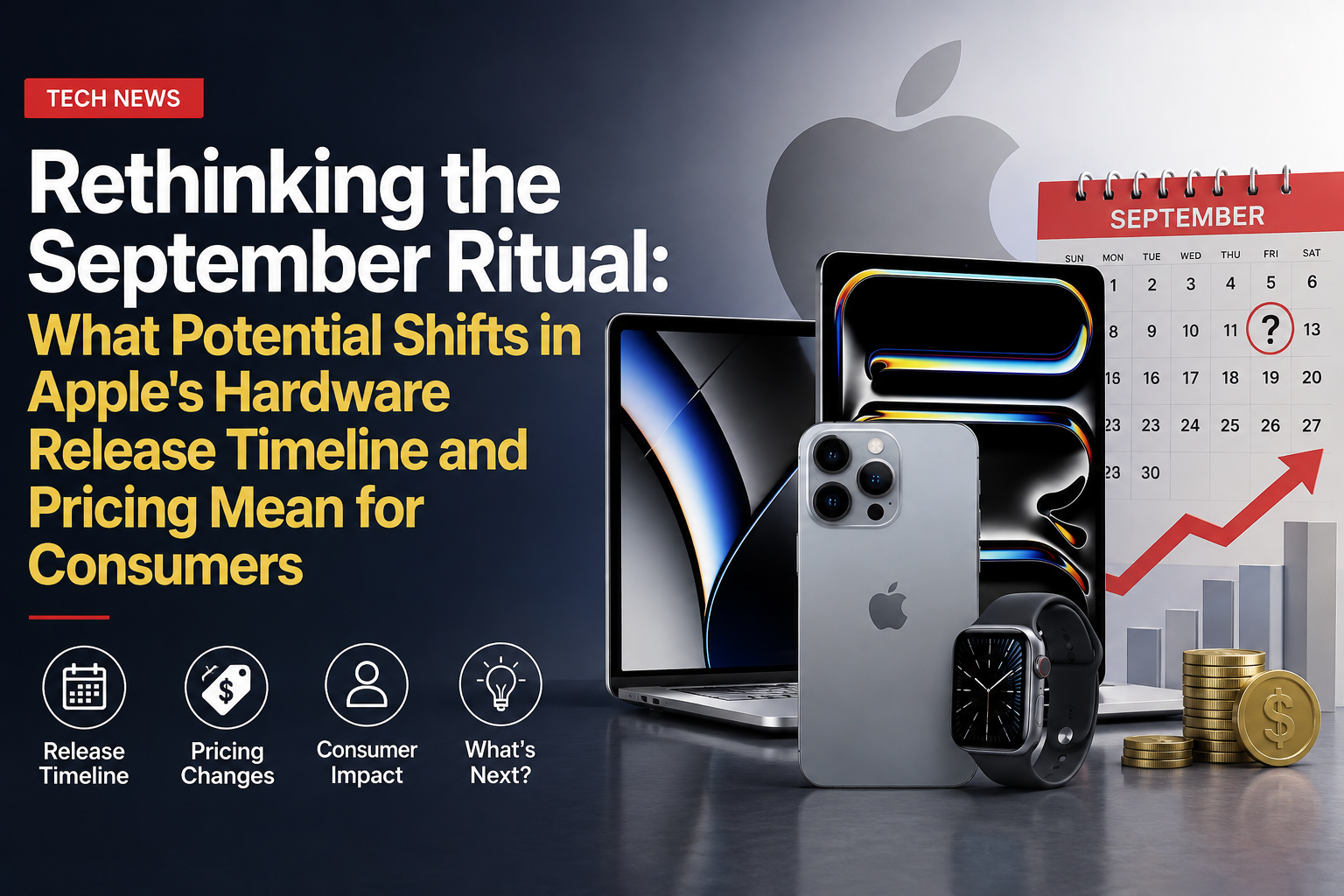
Industry signals highlight potential adjustments to Apple’s traditional autumn unveiling calendar amid mounting supply chain complexities, advanced silicon roadmaps, and shifting pricing strategies.
Introduction: The Changing Rhythm of Tech’s Biggest Unveiling
For more than a decade, the early autumn calendar in the consumer technology sector has been anchored by a singular predictable event: Apple’s annual keynote presentation detailing its newest flagship iPhone lineup. This late-summer or early-fall reveal has served as the temporal heartbeat of the mobile device market, establishing purchasing trends for the holiday shopping quarter, setting carrier promotion cycles, and driving the broader consumer electronics ecosystem. However, discussions across the technology landscape suggest that this entrenched calendar could face structural shifts as hardware manufacturing timelines, semiconductor production schedules, and market conditions become increasingly intricate.
Reports and industry tracking regarding future device generations, including prospective flagship models like the high-end Pro series down the line, point to potential recalibrations in how and when premier smartphones reach the market. Coupled with ongoing conversations regarding the rising cost of advanced hardware components—ranging from cutting-edge process node chips to complex optical systems—consumers and industry analysts alike are taking a closer look at what a shifting launch schedule could mean for hardware pricing, carrier upgrade programs, and long-term device ownership.
What Is Known: Unpacking the Emerging Signals Around Release Timelines
While Apple maintains a notoriously tight seal around its future product roadmaps, several structural factors in global manufacturing and software deployment are giving industry observers reason to evaluate potential schedule adjustments. At a high level, public intelligence regarding future flagship releases reflects a changing operational reality rather than a simple decision to alter a date on a calendar.
- Semiconductor Roadmaps: Transitioning to next-generation chip architectures—such as smaller, more power-efficient nanometer process nodes—requires synchronized manufacturing schedules with external foundry partners. When foundry timelines shift or require extended yield validation, retail delivery windows can experience downstream pressure.
- Advanced Component Integration: Modern premium smartphones increasingly incorporate specialized hardware components, such as multi-layered thermal management assemblies, periscope telephoto lens stacks, and advanced sensor systems. Coordinating high-volume yields across global component suppliers introduces friction that can influence final rollout targets.
- Staggered Hardware Category Debuts: As device portfolios expand to include high-end wearables, spatial computing headsets, and potential foldable display formats, management of consumer attention and retail channel inventory may incentivize a more distributed launch calendar across different quarters of the year.
- Software Readiness and Feature Cadence: Modern mobile platform updates rely heavily on complex on-device machine learning models and artificial intelligence architectures. Aligning major hardware debuts with robust, fully tested software builds can occasionally push launch windows outward to ensure system stability at launch.
It is important to emphasize that prospective dates, specific event timing, and exact hardware specifications remain subject to internal shifts until official invitations are distributed. Nevertheless, the convergence of component manufacturing complexities and software integration demands highlights why the traditional release cadence is undergoing active scrutiny across the consumer electronics sector.
Why It Matters in the U.S.: Carrier Dynamics, Consumer Budgets, and Trade-In Cycles
A shift in the flagship launch window carries substantial implications for the U.S. mobile market, where consumer purchasing behavior is tightly interwoven with wireless service provider incentives, multi-year installment contracts, and trade-in valuations. For millions of domestic consumers, the timing of a new phone release dictates when they choose to upgrade their devices or re-evaluate their service plans.
The Impact on Carrier Promotion Schedules
Major U.S. wireless carriers structure their largest marketing campaigns around key promotional quarters, most notably the back-to-school and end-of-year holiday shopping windows. An altered release date alters the competitive dynamics between service providers, potentially compressing or extending trade-in promotions. If a primary flagship launch moves closer to or further away from the holiday shopping season, carrier subsidies and bill credit structures may adapt, changing the effective out-of-pocket cost for subscribers seeking high-tier devices.
Upgrade Cycles and Extended Ownership
In recent years, the average American consumer has retained their smartphone for longer periods, with average upgrade cycles stretching past three years. This trend is driven by incremental year-over-year hardware updates, robust device construction, and high residual trade-in values. If hardware launch intervals expand or shift, consumers may feel less pressure to upgrade immediately, further normalizing extended device longevity. Conversely, consumers holding older hardware near the end of a multi-year installment plan might face awkward timing gaps if a expected fall release shifts by several weeks or months.
Macroeconomic Pressures and Price Sensitivity
The broader economic environment in the United States continues to influence discretionary consumer spending. Higher costs across essential household spending categories mean that premium purchase decisions—such as acquiring a top-tier smartphone that can exceed four figures—are scrutinized more carefully. Any price adjustments accompanying new hardware launches, whether modest baseline increases or higher entry thresholds for maximum storage tiers, test consumer willingness to pay standard retail pricing without heavy trade-in offsets.
Historical Context: How Apple Has Managed Past Release Adjustments
While the September flagship announcement feels like an immutable standard, historical precedent demonstrates that Apple has adjusted its launch windows when market conditions, production challenges, or strategic priorities required it. Examining past shifts provides valuable context for how future adjustments might unfold.
The Early Days: Summer Unveilings
In the initial years of the iPhone, major product announcements took place during the early summer, often aligned with Apple’s annual developer conference in June. The transition to a autumn launch window occurred with the introduction of the iPhone 4S in October 2011. This shift allowed the company to position its primary hardware refresh directly ahead of the lucrative fourth-quarter holiday buying season, establishing the pattern that persisted for the following decade.
Staggered Releases and Operational Challenges
More recently, global supply chain disruptions and complex display manufacturing processes have occasionally forced staggered release windows within the same product generation. In 2017, while standard models debuted in September, the redesigned iPhone X did not reach store shelves until November due to supply constraints involving new organic light-emitting diode (OLED) panels and facial recognition sensor modules. Similarly, in 2020, external global disruptions delayed the formal announcement of the flagship lineup until October, with retail availability split across separate weeks for standard and Pro configurations.
These historical instances demonstrate that while a consistent schedule is preferred for logistical simplicity, the market easily adapts when launch timelines shift. Consumers typically maintain strong purchase intent even when delivery dates move by several weeks, provided the technical improvements justify the wait.
Price Dynamics: Component Cost Pressures and Premium Positioning
Beyond launch timing, discussions around upcoming flagship mobile hardware frequently center on price trajectories. Maintaining stable retail prices while continuously introducing more sophisticated technology presents an ongoing engineering and financial challenge for consumer hardware manufacturers.
Rising Bill-of-Materials Costs
The core components that power premium smartphones have become markedly more expensive to design, produce, and source. Key cost drivers include:
- Advanced Process Silicon: Wafer prices at leading semiconductor foundries have increased significantly as chipmaking moves to denser nanometer nodes. Designing and producing custom silicon on cutting-edge nodes requires elevated capital expenditure.
- Sophisticated Optical Assemblies: Modern camera systems feature customized glass and plastic elements, folded periscope optics, sensor-shift stabilization mechanisms, and larger high-resolution imaging sensors, driving up sub-assembly expenses.
- Display Technology: High-brightness, variable refresh rate OLED displays incorporating narrow border technologies remain among the single most expensive line items on a flagship device’s bill of materials.
- Memory and Storage Demands: As local artificial intelligence workloads and high-bitrate video capture become standard features, baseline memory (RAM) and storage capacity requirements rise, adding baseline component expense.
Tiered Pricing Strategies and Market Segmentation
To balance rising component costs without alienating price-sensitive buyers, hardware makers increasingly rely on wide price segmentation across their product lines. Premium features—such as titanium chassis materials, fastest-tier silicon, and superior camera capabilities—are concentrated in upper-tier Pro and Pro Max configurations. This approach allows standard models to remain anchored at more accessible pricing points while offering high-margin configurations to early adopters and power users who are willing to pay a premium for top-tier capabilities.
What to Watch Next: Supply Chain Metrics and Key Autumn Indicators
As industry speculation continues, tracking specific operational signals over the coming months will clarify whether launch windows and pricing structures are indeed shifting. Key metrics and indicators to monitor include:
1. Earnings Reports from Major Supply Partners
Financial disclosures and revenue guidance from key international suppliers—such as chip foundries, lens manufacturers, display panel makers, and assembly partners—provide early visibility into production ramp-up schedules. Uncharacteristic guidance drops or delayed volume production signals can confirm shifts in launch timing long before public event announcements.
2. Regulatory Filings and Certification Timelines
Before any new cellular hardware can be sold in the United States, it must pass regulatory testing through the Federal Communications Commission (FCC) and international equivalent agencies. Filings appearing on official databases offer objective proof that hardware is nearing commercial readiness.
3. Carrier Promotion Announcements
U.S. mobile operators prepare their trade-in incentives and advertising spending well in advance of major device debuts. Shifts in carrier marketing spend, inventory buffer preparations, or adjustments to trade-in credit terms provide reliable clues regarding expected device availability dates.
4. Early Autumn Keynote Announcements
Ultimately, official confirmation comes directly through event invitations. Observing whether invitations are issued during their typical late-August timeframe or pushed deeper into the calendar will offer the definitive answer regarding Apple’s operational strategy for its latest product generation.
Frequently Asked Questions
Will Apple permanently change its annual fall launch event schedule?
There is currently no definitive evidence indicating a permanent abandonment of the traditional autumn release window. While component availability or strategic adjustments may occasionally cause specific models or features to launch slightly later in the calendar, the autumn timing remains strategically aligned with global retail and holiday shopping cycles.
Why are flagship smartphone prices continuing to trend upward?
Rising pricing reflects increased underlying manufacturing costs, including advanced nanometer silicon production, enhanced optical hardware, premium structural materials, expanded base memory configurations, and significant research and development investments required for modern on-device computing technologies.
How do potential release schedule shifts affect trade-in values for current devices?
Trade-in values typically experience a natural step-down in price around the launch of a new product generation. If a launch is delayed or shifted, high trade-in valuations for previous-generation hardware may persist slightly longer, giving consumers a wider window to lock in device credits with major carriers.
Are supply chain bottlenecks still impacting smartphone production?
While acute global supply disruptions have largely stabilized compared to previous years, specific high-tech components—such as cutting-edge silicon nodes and specialized camera assemblies—can still experience supply constraints during initial high-volume production ramps.
Disclaimer: This article is an independent news analysis based on publicly circulating industry topics, market trends, and historic release patterns. It is not affiliated with, sponsored by, or endorsed by Apple Inc. or any of its subsidiaries.

